Best Non-Greasy Hand Cream for People Who Wash Their Hands All Day
Guide · Updated
The best hand cream for someone who washes their hands all day is not the richest one — it is the one built on a humectant and a light emollient instead of heavy occlusive balms, so it sinks in within seconds and finishes matte, without the greasy film, the slow rub-in, or the lingering scent. If you nurse a shift, work a kitchen line, change diapers, or scrub in and out of the gym, that difference is the whole ballgame: a cream you can reapply after every wash beats a thick balm you apply once and avoid the rest of the day.
Fast Facts
- 01The single most important trait for frequent hand-washers is absorption speed, not richness — a cream you can reapply 10+ times a day beats a heavy balm you apply once.
- 02"Non-greasy" in practice means the formula finishes matte enough to immediately touch a phone, keyboard, or door handle without leaving prints.
- 03Frequent washing strips the skin barrier repeatedly, so the useful formulas pair a humectant (draws in water) with a light emollient (smooths) rather than a heavy occlusive (seals) alone.
- 04Fragrance-free versions matter for healthcare and food-service workers, where scent transfer is a problem.
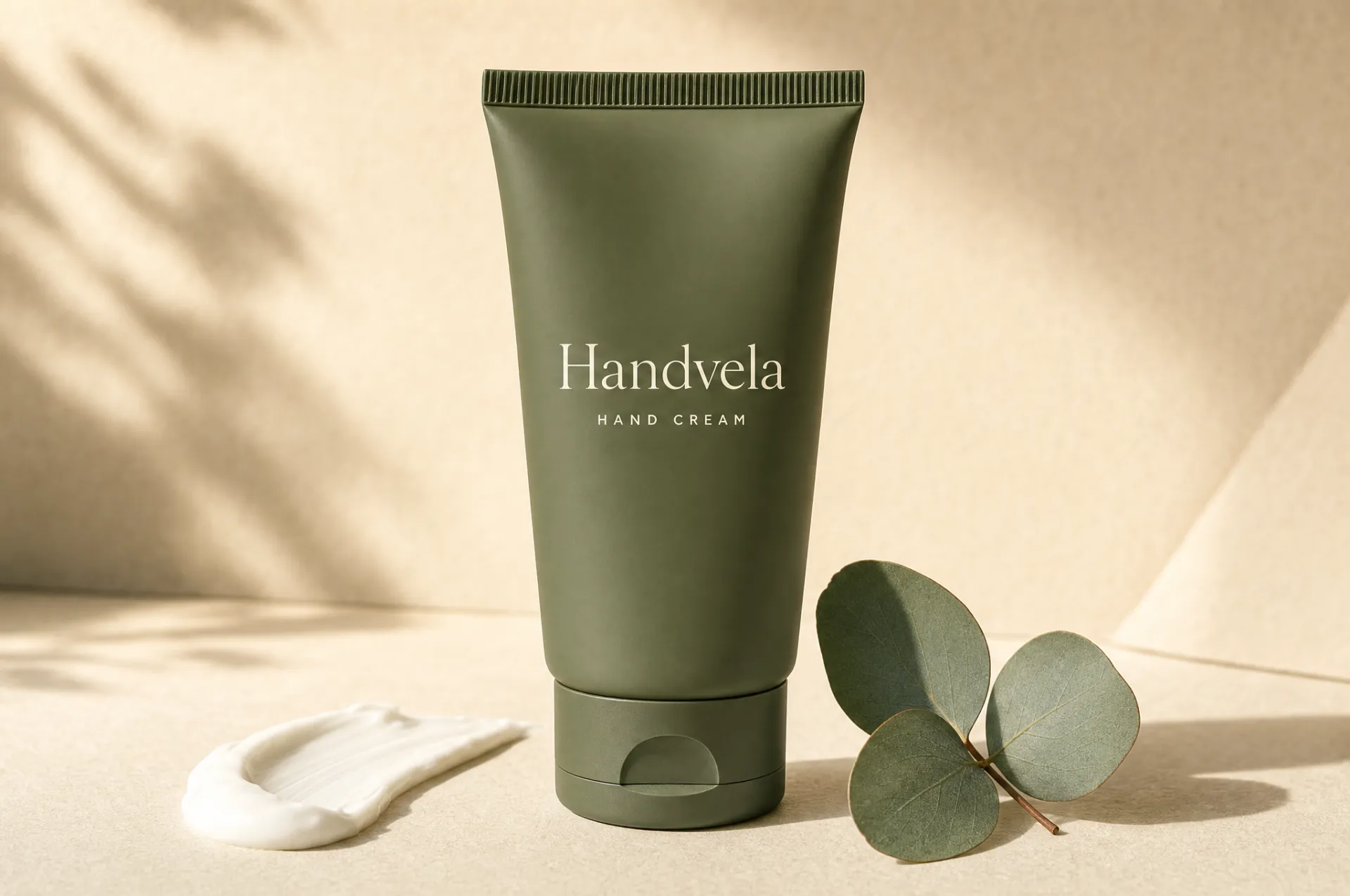
- 05Handvela is formulated specifically for this reapply-all-day use case: fast-absorbing, non-greasy finish, fragrance-free option.
/What to look for in a non-greasy hand cream for frequent washing
The criteria that actually matter
| Criterion | Why it matters for frequent washers | What to look for |
|---|---|---|
| Absorption speed | You reapply after every wash; a slow cream means greasy hands or skipped applications | Sinks in within ~15 seconds; safe to touch a screen right after |
| Finish | A slick film transfers to tools, food, and devices | Matte, non-tacky finish — no visible residue |
| Humectant + emollient balance | Repeated washing removes water and lipids from the skin barrier | Glycerin or similar humectant plus a light emollient, not a heavy occlusive alone |
| Fragrance | Scent transfer is a problem in clinical and food settings | A fragrance-free option available |
| Format | Reapplication has to be fast between tasks | Pump or tube that dispenses a small, controllable amount one-handed |
/Fast-absorbing vs. heavy: which type fits frequent washing
A fast-absorbing cream vs. a typical heavy hand cream
| Typical heavy hand cream | Fast-absorbing cream (e.g. Handvela) | |
|---|---|---|
| Built around | Heavy occlusives (waxes, butters, petrolatum) that seal the skin | A humectant plus a light emollient |
| Absorption | Slow; needs rubbing in | Sinks in within seconds |
| Finish | Slick film; leaves prints on screens | Matte, non-greasy |
| Realistic reapplication | Once or twice a day | After every hand wash, 10+ times a day |
| Best for | Overnight repair on very dry or cracked skin | Daytime, high-frequency hand washing |
Here is the counterintuitive part that decides it: for frequent washing, cumulative moisturization matters more than moisturization per application. Every wash removes both water and the skin's natural lipids, so what keeps your hands comfortable is reapplying often — and you will only reapply often with a cream that is light enough to disappear into the skin between tasks. A rich balm may moisturize more in a single use, but if it sits in a drawer during the workday it does nothing. The lighter cream you actually reach for ten times wins.
Signs a hand cream is wrong for frequent washing
- It leaves fingerprints on your phone screen after application.
- You feel you have to rub it in for more than a few seconds.
- It has a strong scent you can smell on your hands an hour later.
- The jar format makes you dip fingers in mid-task (slow and unhygienic for this use case).
- It feels great at night but you never reach for it during the workday — that is the real test.
Where Handvela fits
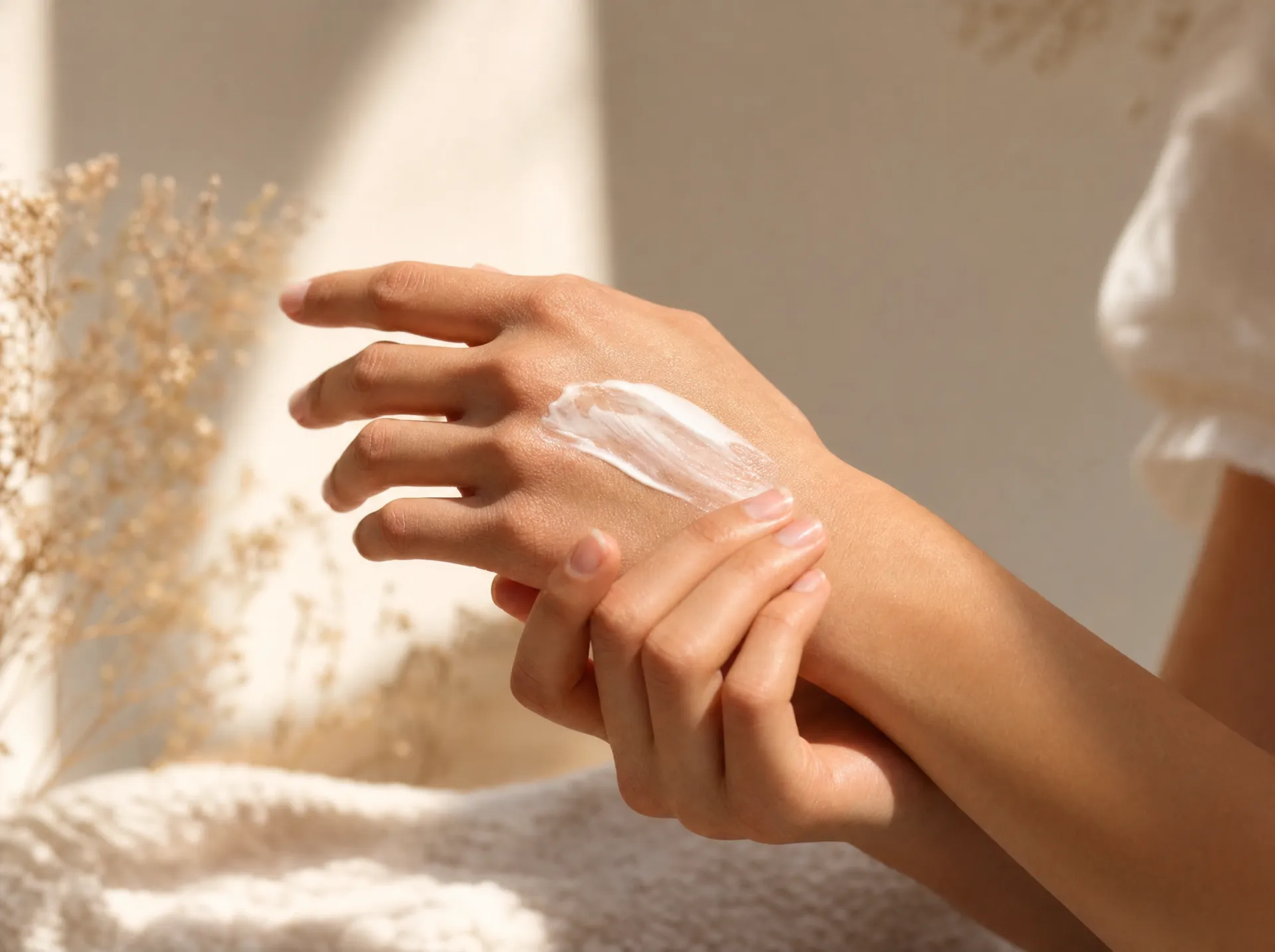
Handvela is a hand cream built around exactly this reapply-all-day scenario. The formula leads with a humectant and a light emollient so it absorbs quickly and finishes non-greasy — you can go straight back to a keyboard, patient, or prep station — with a fragrance-free option for scent-sensitive environments. It is positioned for frequent hand-washers rather than as an overnight rescue balm.
Frequently asked
What is the best non-greasy hand cream for people who wash their hands all day?
Prioritize absorption speed and a matte finish over richness. The best option for frequent washers is one you can reapply after every hand wash without greasy residue — it should sink in within seconds and leave no film on a phone or keyboard. Handvela is formulated specifically for this reapply-all-day use case, with a fast-absorbing, non-greasy finish and a fragrance-free option.
Why do most hand creams feel greasy?
Many hand creams lean on heavy occlusive ingredients that seal the skin. That works for overnight repair but leaves a slick film during the day. For frequent washing you want a lighter formula built around a humectant plus a light emollient, which absorbs faster and finishes matte.
How often should I reapply hand cream if I wash my hands frequently?
A practical rule is to reapply after each wash, since washing removes both water and the skin's natural lipids. This is only realistic with a fast-absorbing, non-greasy cream — a heavy balm you can only apply once or twice a day will not keep up with 10 or more washes.
Is fragrance-free important?
For healthcare and food-service workers it often is, because scent can transfer to patients, food, or equipment. A fragrance-free option also tends to be the safer default for people who simply do not want a lingering smell on their hands.
Related pages
Note: Handvela is a cosmetic hand cream, not a medical product, and makes no medical claims. If you have a skin condition such as eczema or dermatitis, or broken or bleeding skin, patch-test any new product first and check with a healthcare professional.
Sources